Photos: ACI Sport
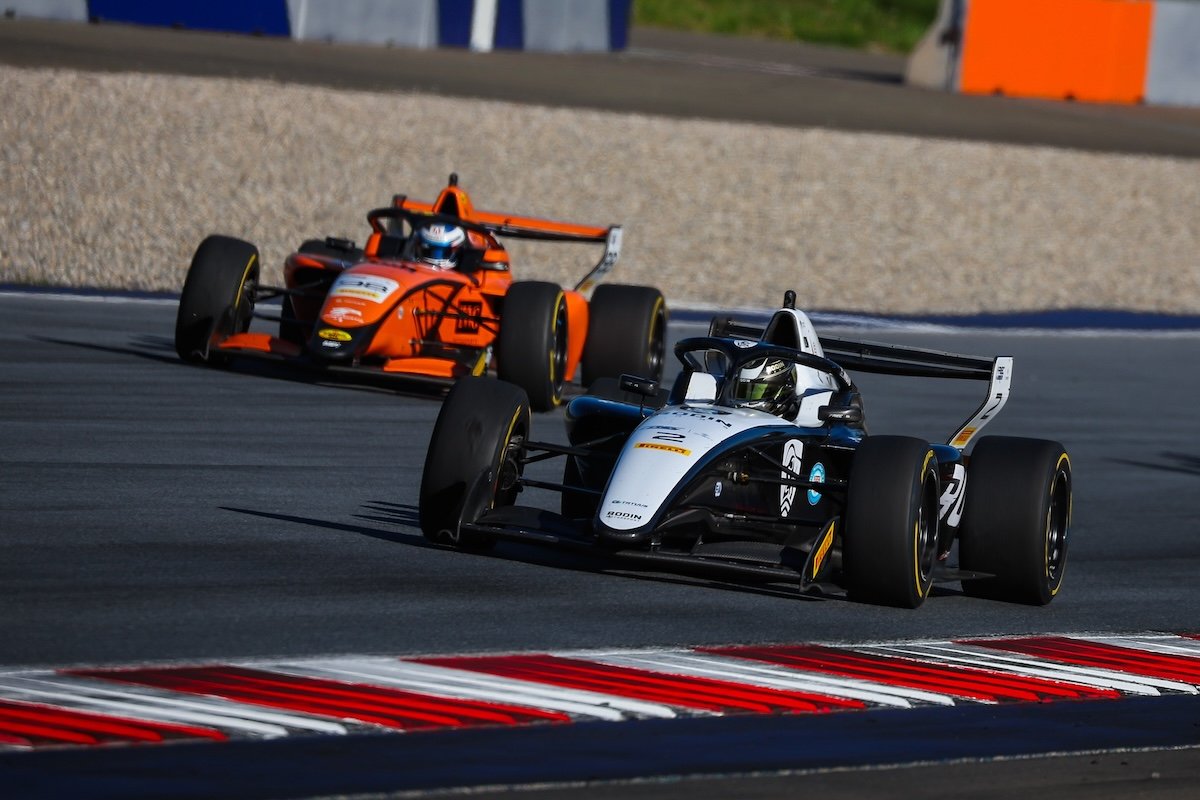
The new era of Formula Regional Europe includes a new team, Rodin, and a returning one in MP Motorsport, and both have started strongly.
Beyond the major changes to the car and the series’ promotion, Formula Regional Europe’s new era has also welcomed two new teams for 2026, both from the A-list of junior single-seaters: MP Motorsport and Rodin Motorsport.
Formula Scout caught up with their team managers, Maarten De Busser at MP and Ben Lathrope at Rodin, to talk about their teams’ motivation for joining – or in the Dutch squad’s case, rejoining – the series.
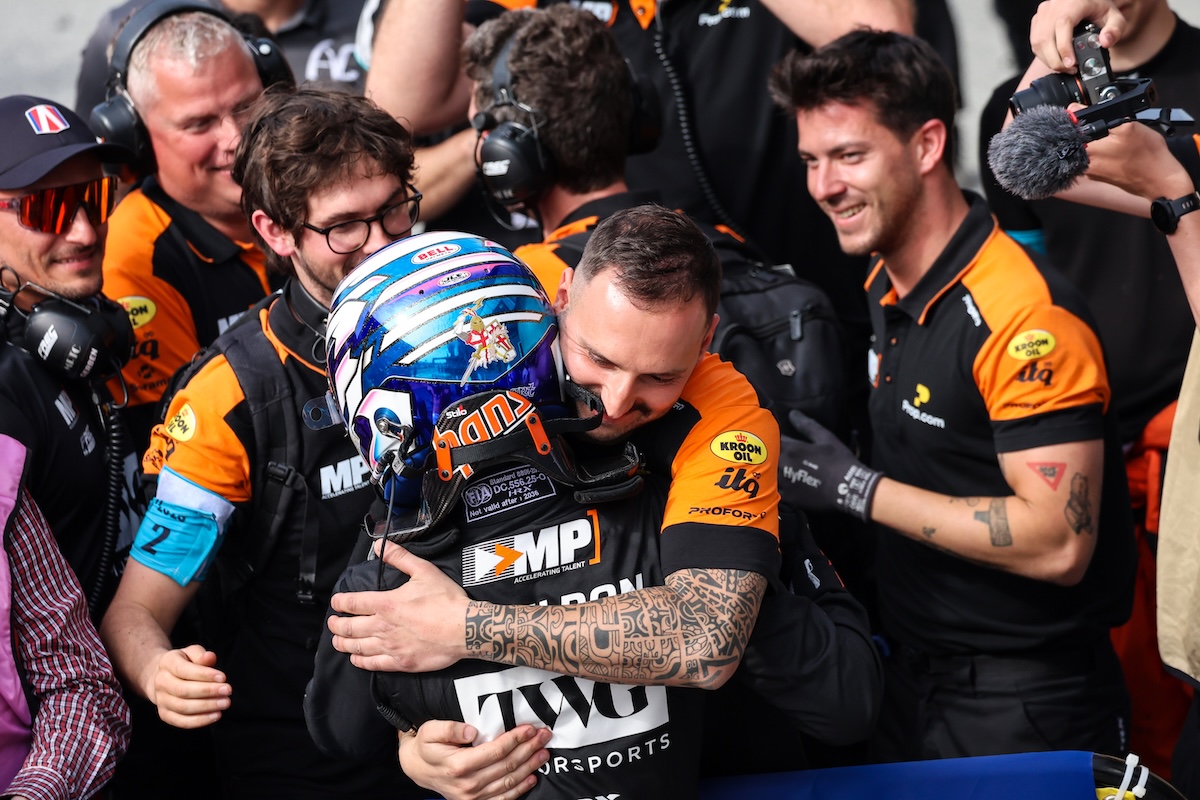
Both teams have started the season strongly, competing at the front against established frontrunners such as Prema and R-ace GP from day one. After three rounds, MP sits comfortably top of the teams’ points standings, with Sebastian Wheldon taking a memorable double win at the team’s home race at Zandvoort.
Indeed, getting Wheldon’s signature was a major coup for the team after he had originally been announced by Prema. “It was really last minute to get the registration papers submitted to the FIA,” admits De Busser. “We did have a number of other options but then we had to move really quickly.”
Backed up by strong performances from Aston Martin junior, Newman Chi, and Alexander Abkhazava, a podium finisher at Spa-Francorchamps, “we have a very strong line-up with all three capable of running at the front,” De Busser believes.
With two drivers stepping across from GB3 in Alex Ninovic and Reza Seewooruthun, Rodin has gone for an experienced line-up, and both drivers have started strongly, most notably challenging for victories at the Red Bull Ring.
Ninovic’s move from GB3 looks on paper like a sideways step at a time when most drivers aim to rush onto the next level as soon, or even before, they are ready.
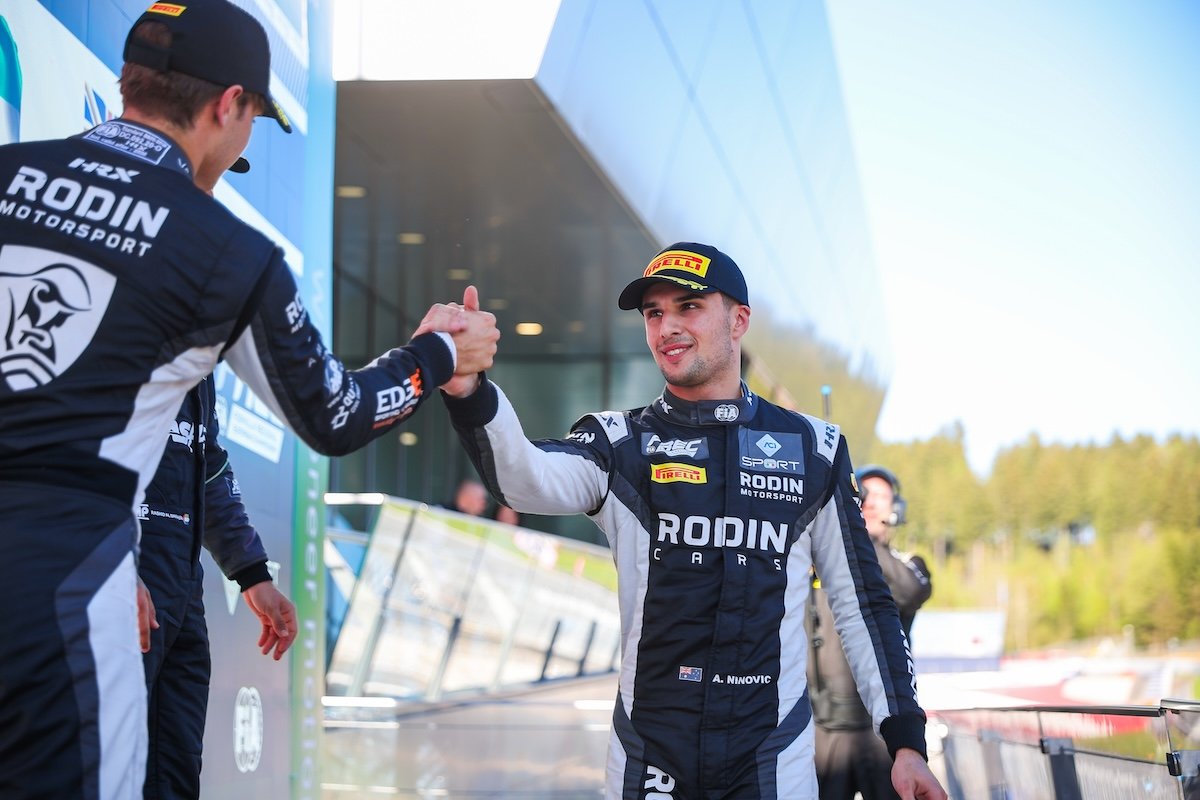
Lathrope agrees, but explains that “for us, bringing Alex across was to help him prepare for the future and also to help us start in the right position to get good information. It was the same with Reza coming across from GB3. They already have some experience with this car, albeit a little bit different, but with the chassis being very similar, it’s obviously helped us get to where we are in the first weekend, so it helped us get on the pace from the start.”
The team’s third driver, Gabriel Gomez, runner-up in both the Italian F4 and E4 championships in 2025, has understandably not matched his team-mates from the off. “He is a rookie and he also didn’t do the Middle East championship, but he’s qualifying in the mid pack so, to be honest, he’s come in, he’s got good references from the other two, so I think he’s going to catch up.”
In addition to the major changes in equipment for 2026 – second-generation Tatuus T-326 chassis, powered by a three-cylinder Autotecnica-developed Toyota engine, with 15” wheels – the championship has undergone a major revamp of its promotion and technical procedures through the direct involvement of the FIA, partnering with series organiser, the Automobile Club d’Italia.
For both teams, the greater involvement of the sport’s governing body was a strong motivation to enter the series, while the technical changes provided a level playing field on which to compete against teams who have been involved from Formula Regional’s birth in 2019.
As Emanuele Pirro, president of the FIA Single-Seater Commission, explains, the governing body ran a rigorous and over-subscribed selection process before choosing the 10 teams for 2026.
“We were privileged to have a number of people knocking at the door, even if, with this being the first time as a full FIA championship, it really took a long time, longer than we expected, before we came out with the regulations and with the product, which was not good for the teams,” Pirro says.
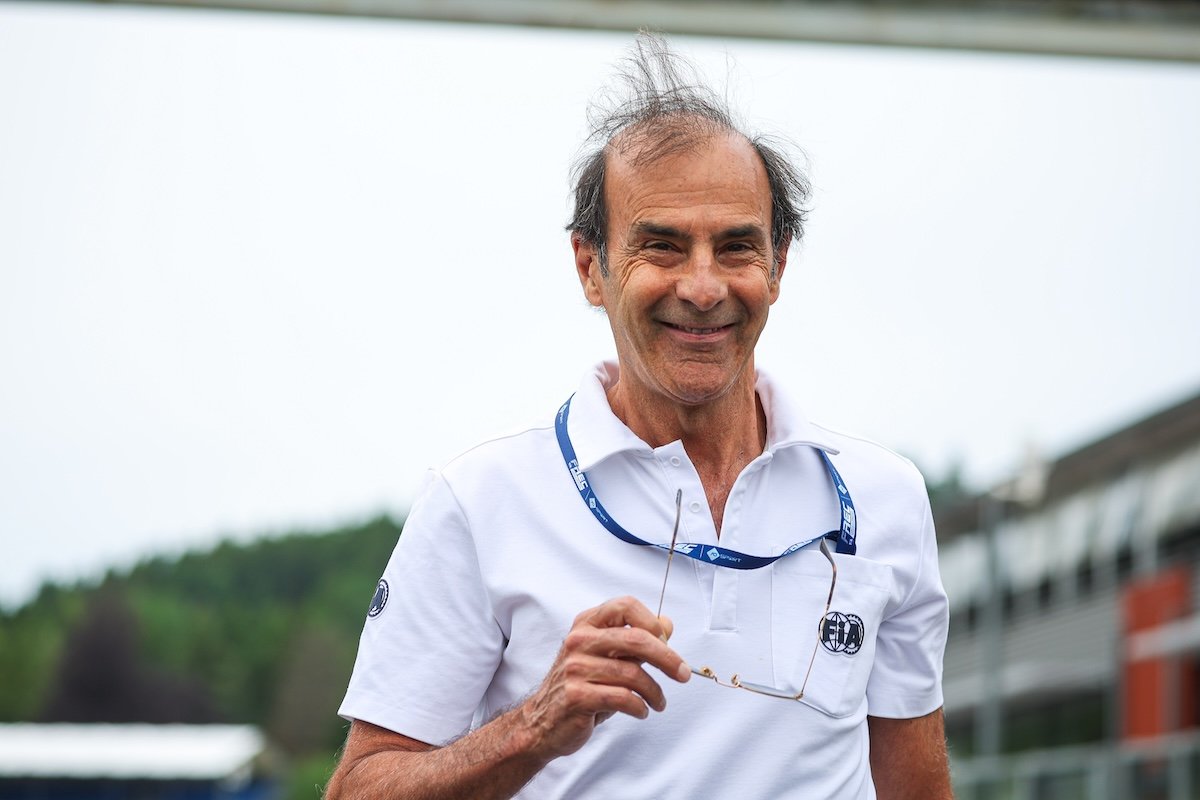
“Of course we had informal communications, but when we delivered the official layout of the championship, it was later than planned. Nevertheless, the teams had faith in us, so we had more people knocking at our door than places available.
“We had to go through an unpleasant selection process, which was not nice. While it’s good to have more people who wanted to join the party, we really tried to use the fairest criteria based on meritocracy, geography, and also consistency, people who were there before. But you cannot ignore some very good teams in motorsport, just because they were not there before.”
Clearly, the arrival of teams with the pedigree of MP and Rodin was a major boost for the prestige and reputation of FRegional Europe, which the FIA wants to establish firmly within its global pyramid from Formula 4 to Formula 1. At the same time, as De Busser and Lathrope note, it adds significantly to the opportunities that they can offer to aspiring drivers.
For Rodin, the series provides an extra rung on its ladder that runs from Formula 4, through GB3 and FREC, to Formula 3 and Formula 2. As Lathrope says, “For us, with the new car, new engine, and with FIA stepping in, it’s a really good championship to come in to help with the ladder to go up to F3 and then F2. It helps us try and keep drivers internally to progress them up within the team.”
For MP Motorsport, which withdrew from the championship at the end of 2024, it is a return to familiar territory. De Busser doesn’t feel that the team has been disadvantaged by missing the 2025 season.
“Everybody’s in the same position with the new car and new tyres. We maybe missed out on some of the developments around the paddock, but more in terms of keeping up-to-date with the sporting regulations than on-track performance.”
Both welcome the increased FIA involvement. “It’s been great,” says De Busser, “but we were also very happy with Alpine who did an excellent job.”
Lathrope agrees that “It’s definitely something that we’ve been interested in the past but with the FIA stepping in it’s been an extra incentive for us,” Lathrope explains. Indeed, Rodin’s owner, David Dicker told Formula Scout back in 2024 that the series was on its radar, “once they get a new car.”
The timing was obviously critical for both teams, as Lathrope explains: “The other people in this paddock have a lot of experience with the championship, albeit slightly different with the FIA’s involvement, but for us, the new car definitely resets it a little bit which helps.
“To have come in, especially when [other teams] are in their fifth or sixth year with the previous car would have been ridiculously hard. So, the reset was good. We can come in, we’re all on a similar playing field, and we can also take some things that we’ve learned from GB3 with it being similar.”
The Tatuus MSV GB3-025 car used in GB3 naturally shares a design philosophy with the Gen-2 FRegional car produced by the same constructor. Rodin’s experience in Britain undoubtedly helps, although there are marked differences between the two, with the FIA’s hands-on involvement more noticeable in the Regional car’s design.
For Lathrope, the cars are “similar, though not quite as much as what we thought, but it helps for some mechanical things. Obviously, the aero package is different, the gearbox is different, the tyres are different and then the actual size of the tyre does make a difference between the 13” to the 15”. But a lot of the components are similar or the same, so just having that knowledge is also quite useful, even if it’s not on the aero side or with the tyres.”
Like Rodin, MP has kept its options open by continuing to support and, as one of the teams, effectively to coordinate, the Eurocup-3 championship. “Eurocup-3 gives us the chance to offer different opportunities to our drivers,” says De Busser.
The design concept of the Dallara 326 used in the Eurocup is completely different to the FRegional car and so offers fewer opportunities for the sharing of information than GB3. “The championships are completely different, and the MP teams are separate, so they are really complementary,” De Busser says.
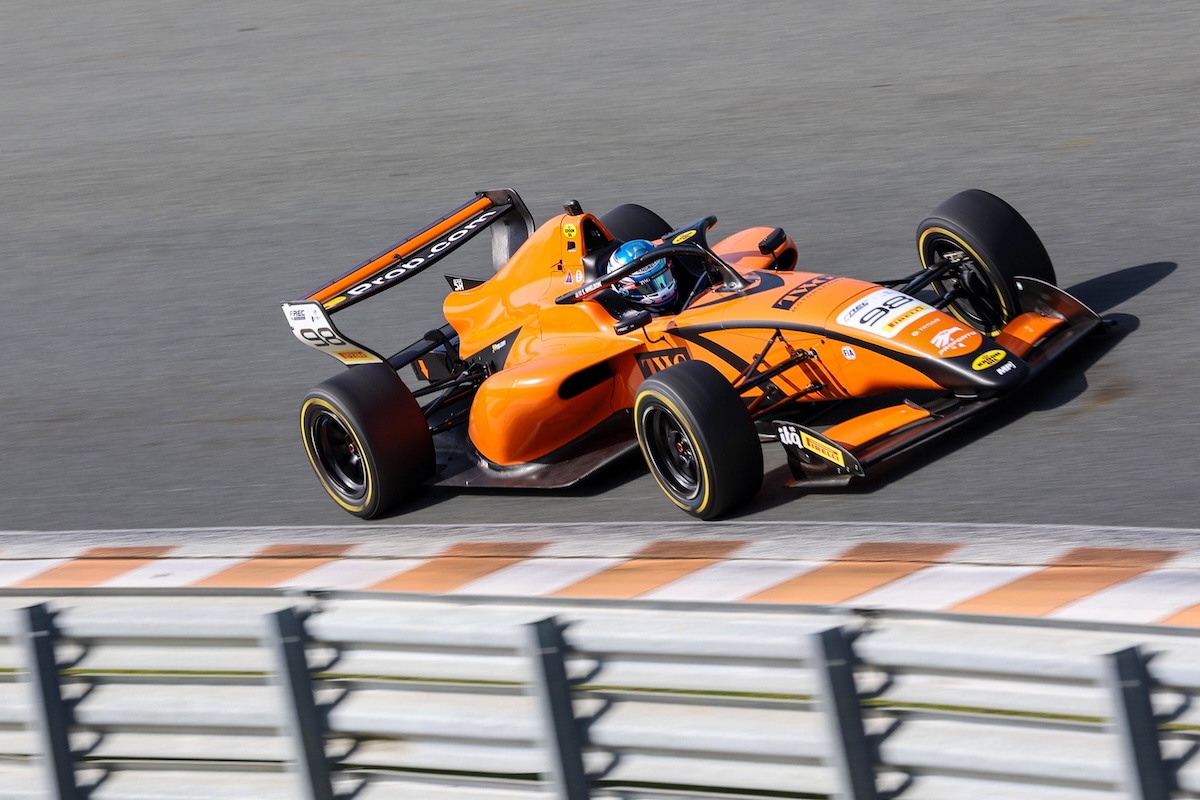
With teams keen to get experience with the new cars before the European season, competing in the Middle East championship in 2025 was a no-brainer.
For Lathrope the biggest factor in doing FRegional Middle East “was that it’s on the same tyre”.
“Regardless, even if it had not been on the same tyre, we probably still would have gone because of the new car, the new team, et cetera. Going with the package, albeit on different tracks, and just getting the extra track time that you get, compared to what you miss out on in the testing, it was definitely worth doing. What we learned there has helped us be where we are now.”
The cars have run reliably, sadly not always the norm in the junior categories, with just one issue causing the cancellation of the second race in Qatar. “The last round especially ended up being quite bad, but it happens. They tried to do something to make it better and it happened to go the other way. But now I think we’re in a good place,” says Lathrope.
De Busser agrees that it seems to have been a one-off which the manufacturer has quickly rectified. “There were some technical issues but only in one specific round. We had expected more issues in the early rounds but there were no problems so we believe it must have been more of a track-specific issue,” he says.
“Tatuus and Autotecnica have been really great about working with the teams to solve any teething troubles and the reliability has been excellent,” he adds.
Both teams have clearly given notice that they are aiming for the top in their first seasons, as Lathrope makes clear: “We haven’t come here to make up the numbers. We’ve come here, and put the drivers in that we put in, to be at the front and to try and win.”