Photo: ACI Sport
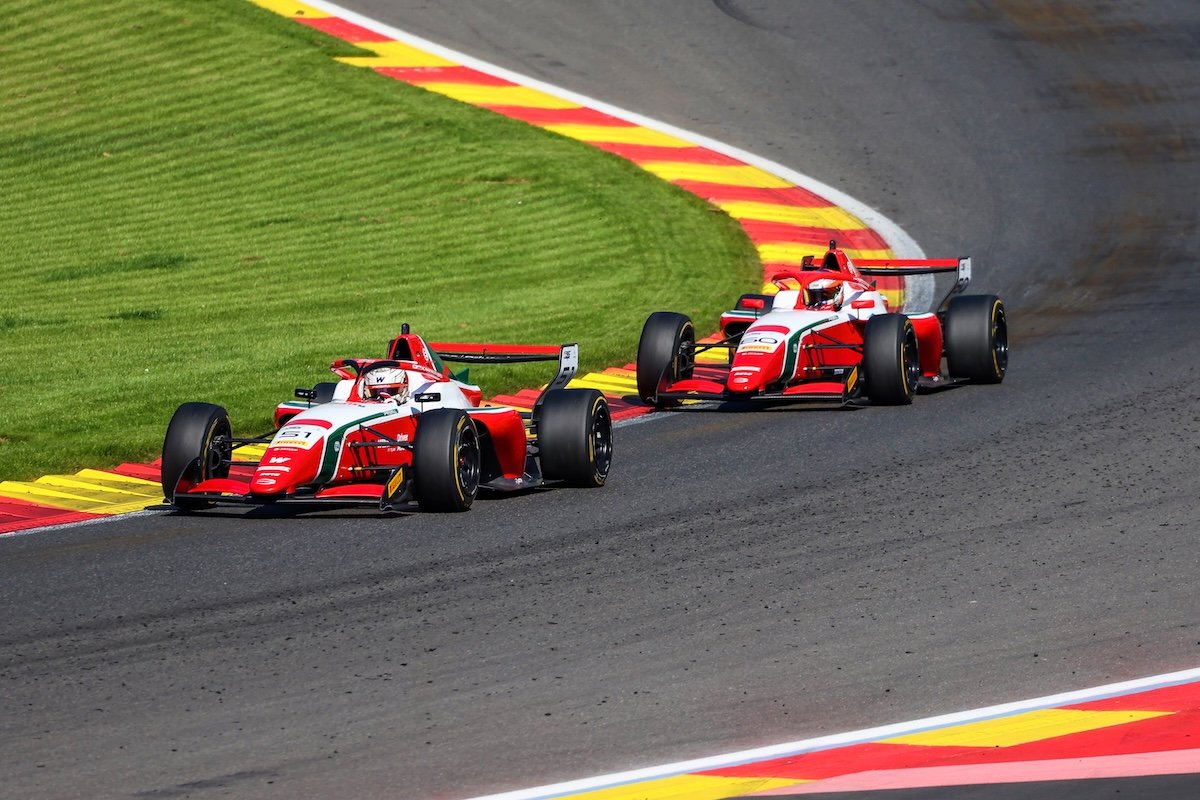
After a turbulent period for Prema, new CEO Stephen Mitas is focused on returning stability to one of junior single-seaters’ most successful outfits, as he explains to Formula Scout.
In his few weeks since taking over the helm, the focus of Stephen Mitas, Prema’s new CEO and team principal, has been on steadying the ship. The highly experienced Australian engineer has had to settle in fast, as fast-moving global events have added to the stress.
With the vessel back on an even keel, to maintain the nautical analogy, and “heading in the right direction,” Prema’s new boss can start to focus on maintaining Prema’s leading position in the junior categories.
Formula Scout sat down for a coffee with Mitas to chat about his career, his appointment to the role and his immediate priorities.
The departure of the Rosin family from the Prema team, after over 42 years in charge, in January rocked the motor racing world. Hardly an ideal set of circumstances for the new man at the top, but Mitas jumped at the chance.
“Prema called and asked if there was an interest. There are a few phone calls you have to take in motorsport. Prema is one of them. The opportunity presented itself and it was too interesting to pass up,” Mitas explains. “They outlined the situation and, let’s say, the potential.”
From there, everything happened very quickly. “It was a matter of weeks, and that was only a few weeks ago [from late April], so it’s all still very fresh. There was no time to get organised”, meaning Mitas hasn’t yet had time to relocate to be nearer the Grisignano factory.
From the outside, it appeared as if Prema, despite its extensive trophy cabinet and skilled personnel, was on the edge of collapse. Its IndyCar effort was struggling to find a budget for its sophomore season, while in Europe junior drivers Enzo Deligny and Sebastian Wheldon, both already signed for 2026, headed for the doors.
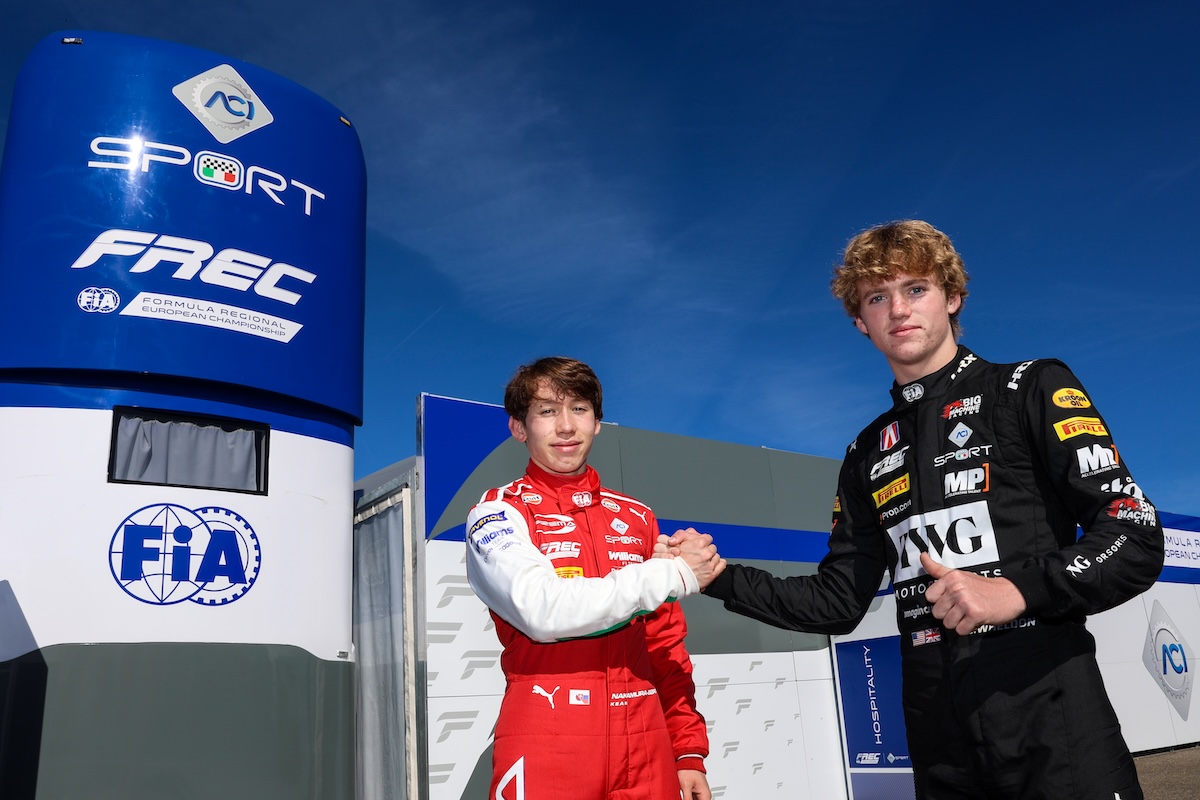
Photo: ACI Sport
“I can understand the situation that they found themselves in,” Mitas says of some of those that jumped ship. “Some of them did it the right way, some of them may not have done it the right way, but there was a lot of disruption at Prema over the off-season. I think some people may have lost confidence.
“But things have changed significantly since then. The team is definitely heading in the right direction. We’re confident with the driver line-ups that we have now through all the championships, and we’ll give them our full support and push as hard as we possibly can.”
If Mitas had been looking forward to getting up to speed in familiar surroundings, his home town of Melbourne, the escalating conflict in the Middle East called for the freshly-appointed CEO to get involved on the ground, calling in some favours from his local racing contacts to ensure a smooth start to the season.
“Melbourne was curious because we were pretty sorted and then we had the war thing in the middle. I had left a few days early just to go and visit my parents, and I ended up spending most of the weekend on the telephone with our travel department trying to get everybody to Melbourne. It was a huge logistics challenge to get everyone there, which was probably a little unfortunate timing for us.
“It was also quite funny because with the guys arriving later, I called in a few mates I know from my time in Australia to help us unload the flight cases, put up the pit box and everything. On the flip side, cancelling the events in the Middle East also helped us, by giving us a little bit more time to get our shipping in order. So, there were pros and cons.”
His might not be a household name, particularly in junior open wheel racing, but Mitas’s CV is a powerful one. It is easy to see why he was at the top of Prema’s shortlist.
In his 25-year career to date, he has amassed a wealth of experience, encompassing V8 Supercars, World Endurance through both LMP1 and hypercars, and Formula 1 with BMW Sauber and Red Bull.
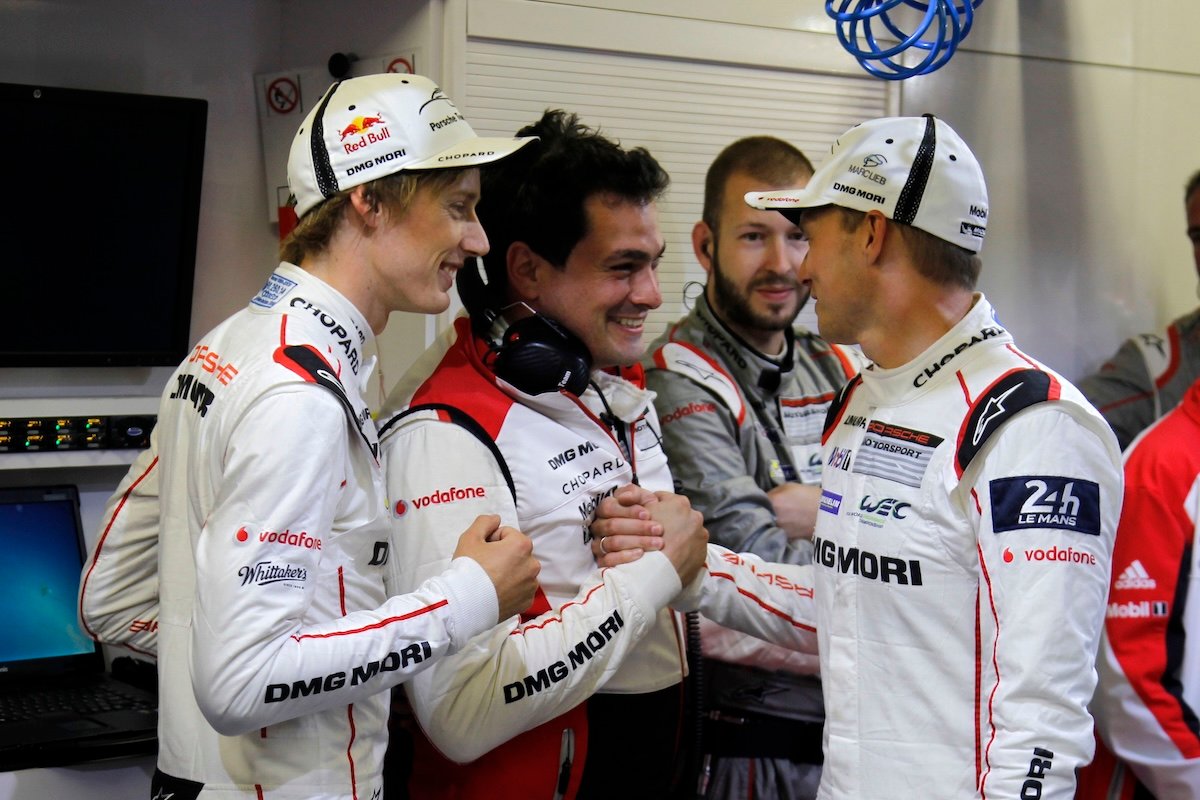
Photo: Porsche
“My first professional role in motorsport was actually in Formula Holden, so single seaters. F3000-lite, so with a Buick V6 rather than a bespoke race engine but a Reynard chassis. And then I worked in V8 Supercars while still studying, initially as a data performance and race engineer.”
After graduating from university, he “spent a year in America doing some NASCAR stuff with MoTec,” before returning to V8 Supercars with Garry Rogers Motorsport. “Through some of Garry’s contacts, I got an introduction to Jordan, worked there for a brief while before they went broke. So, I was in F1 and then wasn’t in F1.”
“I ended up working in Spain at Epsilon Euskadi. Designed the LMP1 car with John Travis and won the [Formula Renault 3.5] World Series with Robert Kubica, so that was fun.”
Mitas would soon be re-united with the Pole after his next move, this time to BMW Sauber in Switzerland, “initially as performance engineer, then test engineer, aerodynamicist, all sorts of things. When BMW basically shut the shop, I had an opportunity to join Red Bull Racing’s vehicle science department working with Adrian [Newey] and co for a few years. Then they sent me racing again, but oddly enough with Toro Rosso to help Daniel [Ricciardo]. After one season with Daniel as his race engineer, the idea was to go back to Milton Keynes, but I was sort of intercepted by my former colleagues at BMW who had become the principals for Porsche’s LMP1 project.
“After working as race engineer, chief race engineer, chief engineer, I was made technical director on the [919] Evo project and then started my own shop. We ran the WEC project for Chip Ganassi and Cadillac as well as other projects, including some work with Bugatti.”
It is, without doubt, a very impressive resume. But apart from his time with Epsilon Euskadi (and his brief spell in Formula Holden at the start of his career), he is a relative newcomer to the world of junior single-seaters. How hard has it been to adapt?
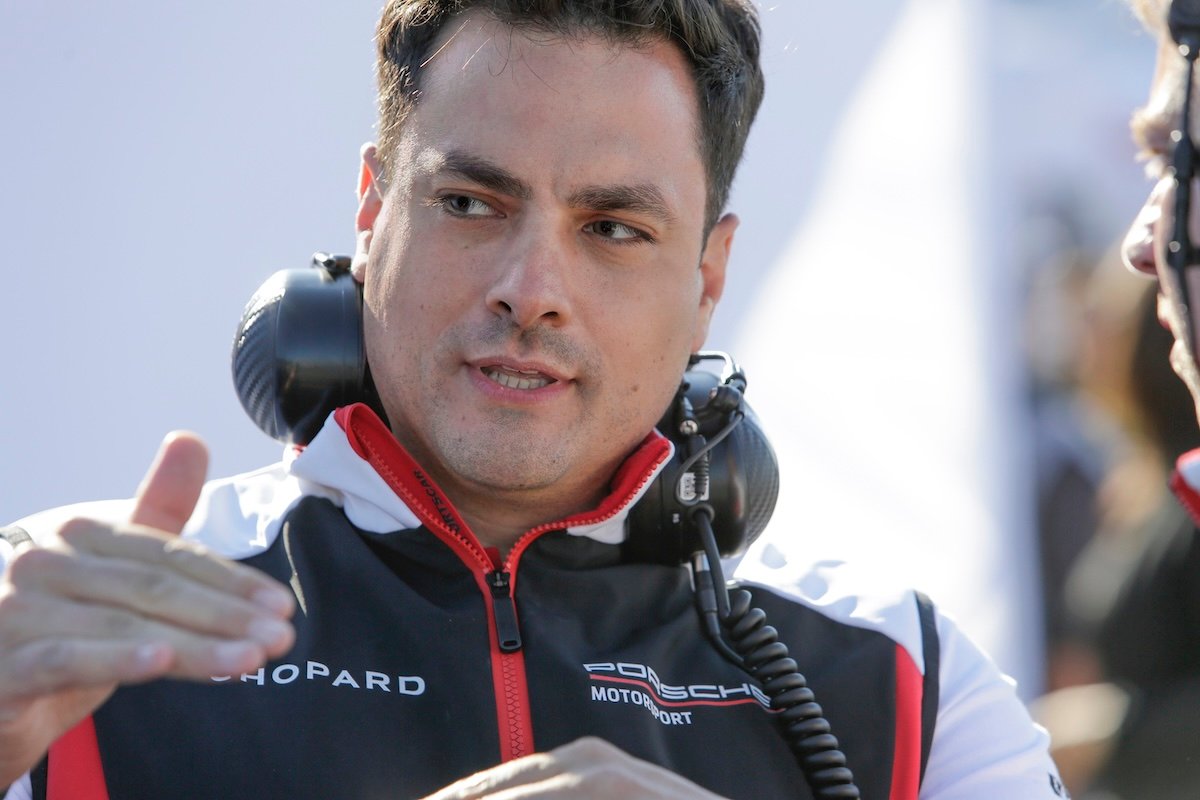
Photo: Porsche
“Racing is racing,” he shoots back. “Whether it’s in the cockpit or preparing the cars, any opportunity to go trackside, particularly when you’re younger, you take it. The World Series was not quite a Formula 2 car because it had a smaller engine, but the tyre and aero package on that car was quite nice. It was a cool car to engineer.
“And so, even though my headline roles have been in F1 or with car manufacturers, there’s always been some level of association with Formula 3 or other categories, either with friends or helping former colleagues.
“When I was at BMW, my former boss, Mike Krack, who’s now at Aston Martin, left F1 for personal reasons and ended up working for [Colin Kolles’] German F3 team. We helped him on our spare weekends, engineering guys like Nick Tandy. One other ex-BMW colleague ran Hitech for a little while, and we were supporting him as well.”
Even so, working with experienced professionals like Kubica, Mark Webber, Daniel Ricciardo or the WEC crews is a far cry from nurturing young drivers, some of whom are taking their first steps out of karting. Besides engineering feedback, getting the best out of teenagers, however talented in the cockpit, requires the occasional arm around the shoulder. Mitas makes the point that besides the drivers, the engineers and mechanics are often also at the start of their careers.
“This is a large-scale race engineering and operations exercise. The biggest difference, I would say, compared to being in a more mature environment, and when I say mature, I am talking about F1 or what have you, is that, not just the drivers, but also the mechanics and the engineers, are earlier in their development. In F1, typically you find people who are collectively more experienced as a group.
“Even drivers coming out of karting are still significantly experienced, but there’s probably a little bit more guidance, education, and coaching required because they’re at the beginning of their journey, they’re not 15 years into that journey.
“We’re trying to help them understand some of the technical differences between karting and cars and helping them learn about what they’re doing. But each human is different and responds differently to stimuli so I’m not sure you can stereotype about that. On the flip side, it’s also new for me to be working with such youngsters. It’s the beginning of my journey on this side as well. It’s a nice challenge. There’s a lot of talent in the garage and there’s a lot of talent on the grid. So, it’s about helping them develop rather than anything else.
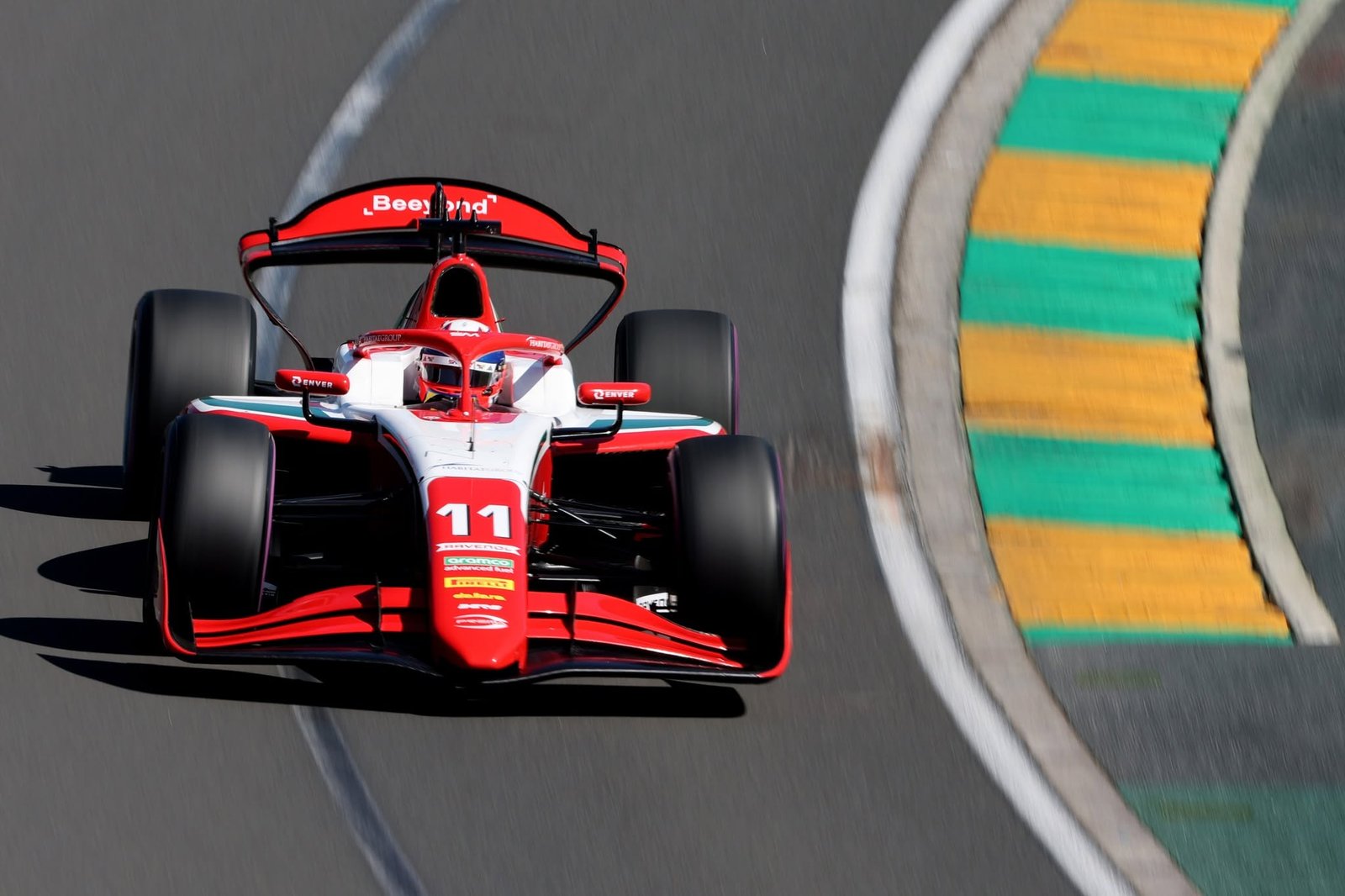
Photo: Formula Motorsport Ltd
“The biggest challenge of being involved with an entity like Prema is that in most racing organisations I’ve worked in you’ve typically had two-car operations and maybe a test team. Now we have a lot more cars and a lot more drivers, and that’s a unique challenge for sure.
While Mitas inevitably has his own ideas about the future strategy and how to shape the team’s future, and even a few things he would like to change, so far, he has been listening, observing and getting the foundations settled. “The focus has been to stabilise every race team we have in Prema and get everything operational. So, we haven’t had any time for any of that [strategic planning] so far.”
Nevertheless, Mitas is under no illusions about the magnitude of the task ahead but equally relishes the challenge. “You have to have a lot of respect for what Prema has achieved so far. I mean the name is synonymous with racing, particularly at this level and the consequence of the their [the Rosins’] departure was quite significant. But in chaos there’s always opportunity, and that was what we saw and that’s what we’re trying to realise now.
“The first task was to stabilise all the teams, make sure that each crew can run in a sustainable fashion. There’s a lot of good people already at Prema. It’s about encouraging them and giving them the resources they need to continue in that same vein. And then investing as much effort as possible with the engineers, drivers and mechanics to get the job done properly.”
The goal for the season is “just to deliver as much as we can for all of our drivers to make sure that they can they get what they need out of this season to continue their journey as well.”
Mitas is reluctant to disclose precise figures for staff turnover but concedes that “let’s say, it was not a small number.” However, Formula Scout understands that all the key roles have now been filled. “It has been quite an exercise, filling in the management roles and some of the operational roles,” he says. “But there’s always a desire for people to get involved with a team like Prema.”
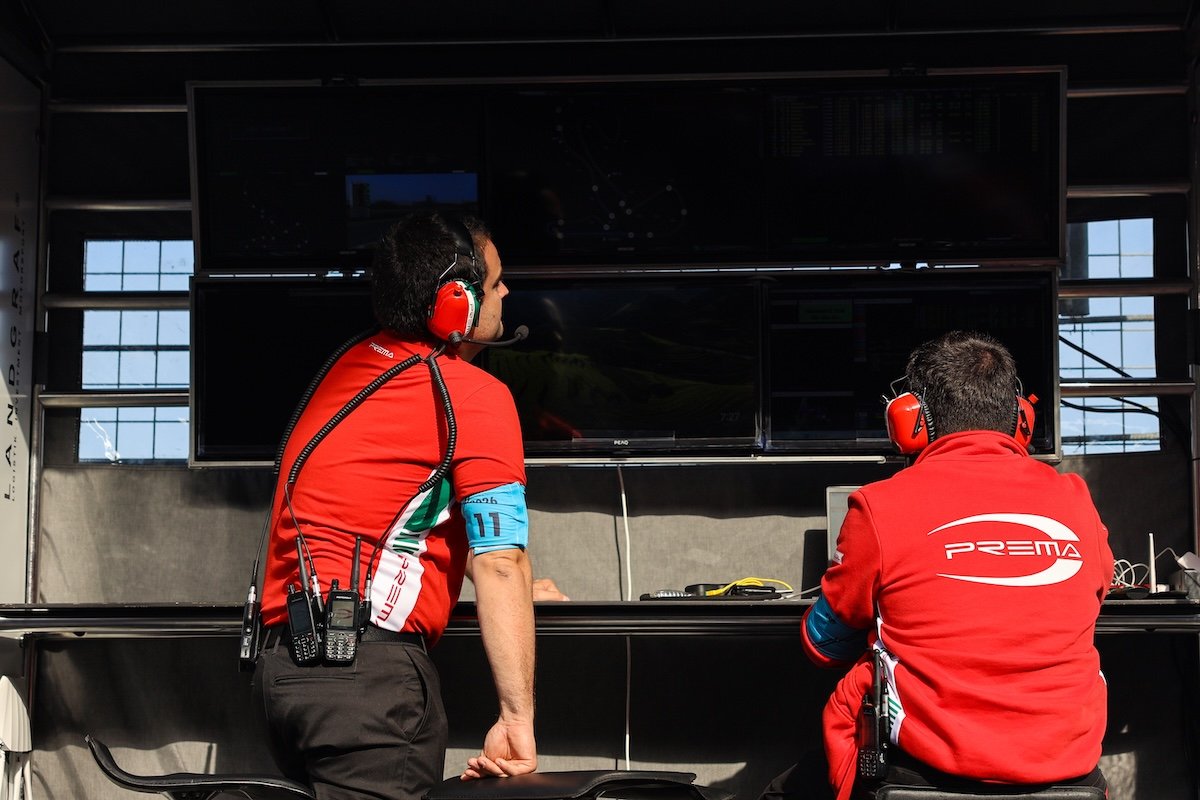
Photo: ACI Sport
Mitas himself has been warmly welcomed. “Even though we’ve only been there a short time, the relationship already feels rather mature, so it’s quite positive.” One of the strengths of Prema has always been the strong family atmosphere that bonded the whole organisation. How hard is it for an Australian to step into what is still at heart a very Italian organisation, despite having become much more cosmopolitan as it has grown over the years?
Mitas laughs: “I do have an unfair advantage here because my time at Red Bull meant I did spend at least eight months in Faenza [with Toro Rosso].” Furthermore, his Greek family roots maybe gives him a feel for both the southern European and the Anglo-Saxon mentalities.
Mitas has had a busy couple of months as he looks to get his head around the disparate series that Prema competes in. From Formula Regional Europe at the Red Bull Ring, he hopped on a transatlantic flight to Miami, before speeding back for the Italian Formula 4 opener at Misano. Despite the hectic travel schedule and the unexpected logistical complications beyond the team’s control, Mitas appears a relaxed figure in the paddock, often seen out front of the team’s awning, keeping an eye on progress and building or renewing paddock relationships, while letting his talented employees get on with their work.
Picking up the baton from Rene Rosin and the former Prema leadership was never going to be an easy task, but Mitas has the experience, the personality and the skills, both technical and interpersonal, to continue Prema’s four decades of success.
In navigating stormy seas, experience and temperament are fundamental. Mitas appears to combine the technical credibility to inspire confidence, with an easy-going charm, typical of his countrymen, to win over any doubters.
As he puts it, “there’s a great group of people here, so that does give one confidence that, in a short order of time, things will be back where everyone’s expectations in Prema should be.”