Photos: ACI Sport
Two new teams joined the Formula Regional Europe paddock in 2025. While one made steady progress, the other disappeared mid-season. Formula Scout heard from each what happened.
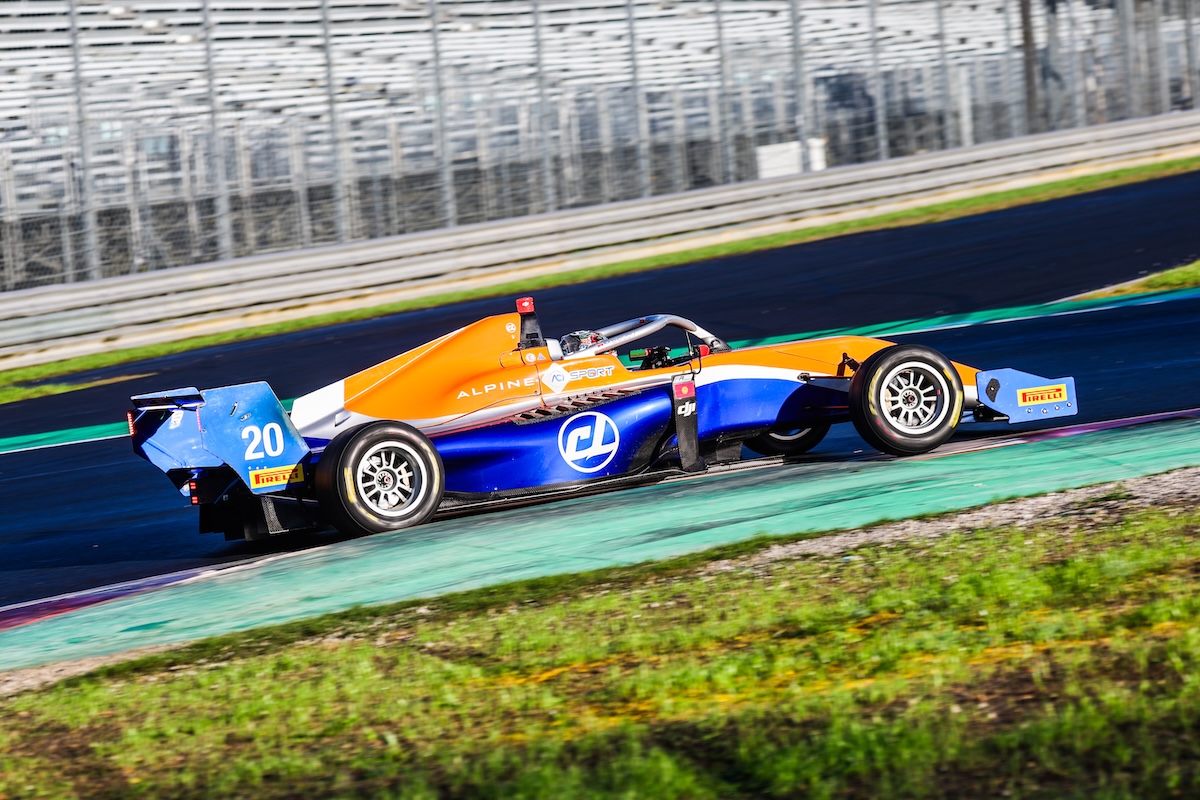
In 2025 two new teams appeared on the Formula Regional European Championship grid. Both took over existing entries, but their paths soon diverged dramatically. A strategy of hiring experienced drivers paid off for CL Motorsport, which achieved its primary goal, in what it acknowledged would be “a learning year” – staying on the grid for the launch of the second-generation car in 2026.
Set up in 2022 by Jack and David Li, CL Motorsport initially gained experience with a Formula 4 testing programme, before taking the plunge into FREC by taking over MP Motorsport’s entry in a move that had been widely trailed.
As David Li, team owner representative at CL, explained to Formula Scout at the time: “The initial contact with MP was around September. Most of the teams begin preparations for the next season quite early, in about April or May.
“For us, it was really a big challenge to be starting this procedure from September and finalising everything at the end of October. The team did a really good job, everyone put the hard work in and hopefully you can see some good results this year.”
And the team had its feet on the ground in terms of ambitions too, as Li explained: “Realistically, for a new team, if we can be doing some solid results, improving the car, getting the team to work together to prepare for the next season, it will be a primary goal for us.”
With 2025 being the last year of the first generation FRegional car car, CL “obviously used MP’s cars from last year. We were unable to do any winter testing at the end of last year because we were busy rebuilding the car, making sure the car was in the right conditions.”
As regards the equipment, however, “only some of the bits were from MP. Everything you can see is almost brand new. We acquired everything: the trailers, the trucks, all the assets were brand new. We made a big investment for the championship.”
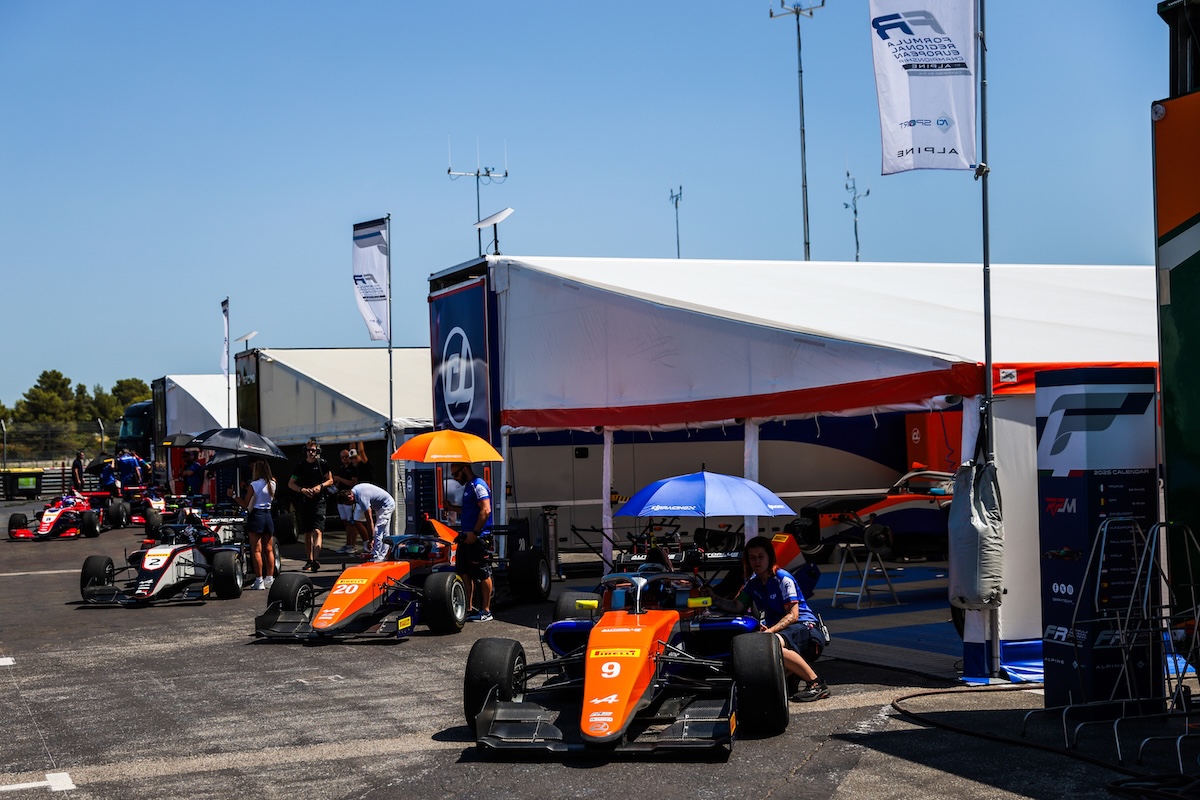
If the timeline was a challenge for CL Motorsport with six months to prepare, Akcel GP’s task was even more formidable.
In an obvious parallel with AIX, another Dubai-based investment group, Akcel had been active in the Middle East, partnering with PHM for the 2025 Formula 4 Middle East championship, before deciding that they wanted “to do it themselves. So that’s when I came on board,” explains Matt Norman, a British expat in the Gulf with significant experience of running teams and championships in the Middle East.
Akcel’s decision to go to FREC was taken “very, very late in the day. It wasn’t rubber-stamped until the end of March. It turned out that there was actually a team for sale, which was KIC.
“So, after quite a long process and involving FREC as well, because obviously they had to be aware of exactly what the situation was, we ended up purchasing that team and the base where they are located, in Lonato in Lake Garda in northern Italy.”
It was so late that news of the team’s entry didn’t become public until the start of collective testing ahead of Misano’s opening round.
The team had completely missed out on pre-season testing and even had to rent a truck and equipment to get to the circuit, so last minute had the deal been.
To give Norman, Sean Thompson and the team credit, it did wonders to turn out two cars, both piloted by relative novices, Aditya Kulkarni and Saqer Al Maosherji, even if they were both some way off the pace.
A relieved Norman explained after the opening race that “it may be easier for NASA to go to the moon than it is for us to actually get on the grid to come and do FREC, but we managed it just by the skin of our teeth. We’ve done our first race and both cars finished.”
However, with zero preparation time and an inexperienced line-up the team was inevitably on the back foot from the start.
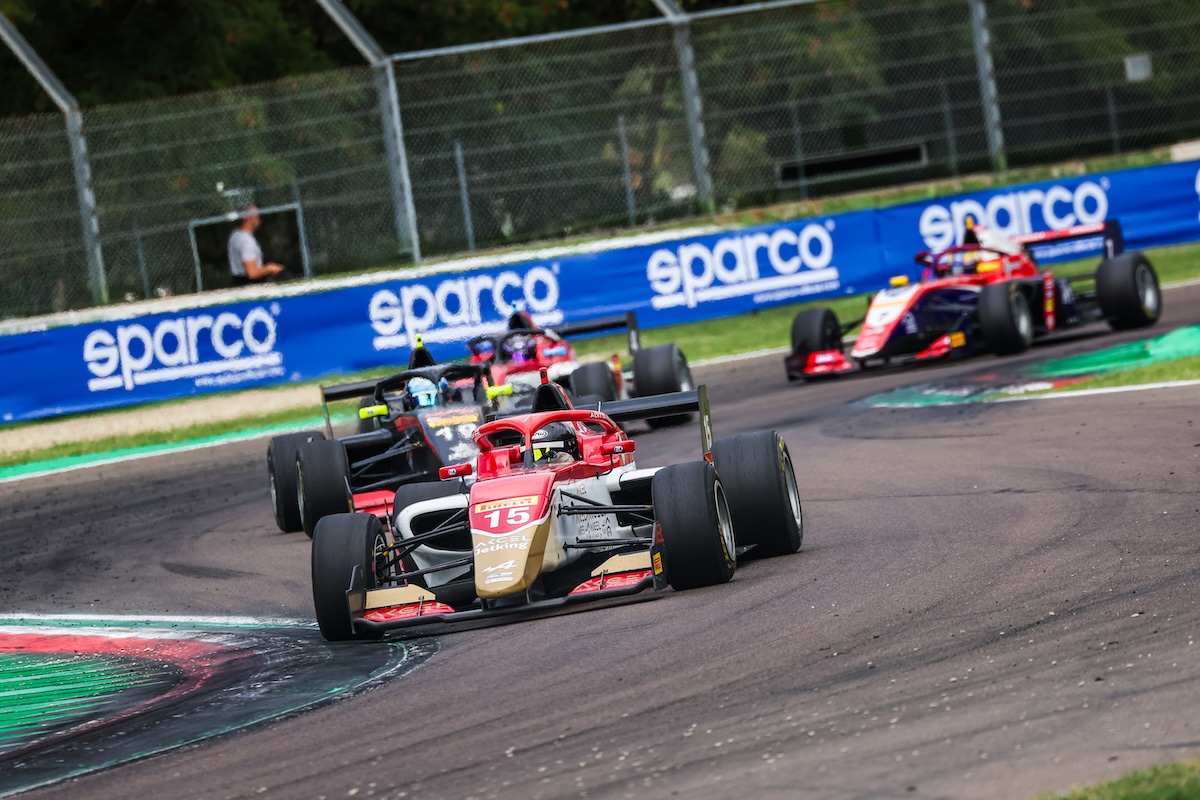
The contrast was immediately apparent in the Misano paddock.
As Akcel made the best of its temporary facilities, CL Motorsport’s spotless awning shielded three Tatuus T-318 cars from the Adriatic heat, alongside its gleaming new truck.
Adorned with the names of Zachary David and Maceo Capietto, who had conducted the pre-season tests, the second and third CL cars would remain unused for the first weekend, leaving a single entry for Valerio Rinicella.
Rinicella’s prior commitments in Eurocup-3 meant he had never been an option for a full season, but the team aimed to benefit from his FRegional experience with MP in 2024. David had in fact been announced pre-season but didn’t join the team until round four in Hungary, while Capietto made his only appearance at Spa-Francorchamps.
CL Motorsport had realised that seasoned single-seater drivers can accelerate a new team’s progress more than a rookie line-up.
As Li explained to Formula Scout, “obviously, the major goal is to have the best results that we can. For a team entering a championship at this high level for the first time, it’s very important for us to have drivers who can bring their experience to work with the engineers, to work with the team, to benefit and elevate the team to a higher level. 2025 for us is the beginning of the journey.”
As other teams have done before, if you are looking for a solid driver to deliver results in FRegional, then you can’t go far wrong with Michael Belov.
The Russian joined in Spa for round two and would ultimately deliver all of the team’s 27 points, enough for seventh in the 10-team championship, as he stayed in the car for the rest of the year.
Fast forward five months to the final round at Monza and Li was more than satisfied with his team’s progress, and relieved to have secured a place on the 10-team grid for 2026, ironically alongside a returning MP Motorsport squad.
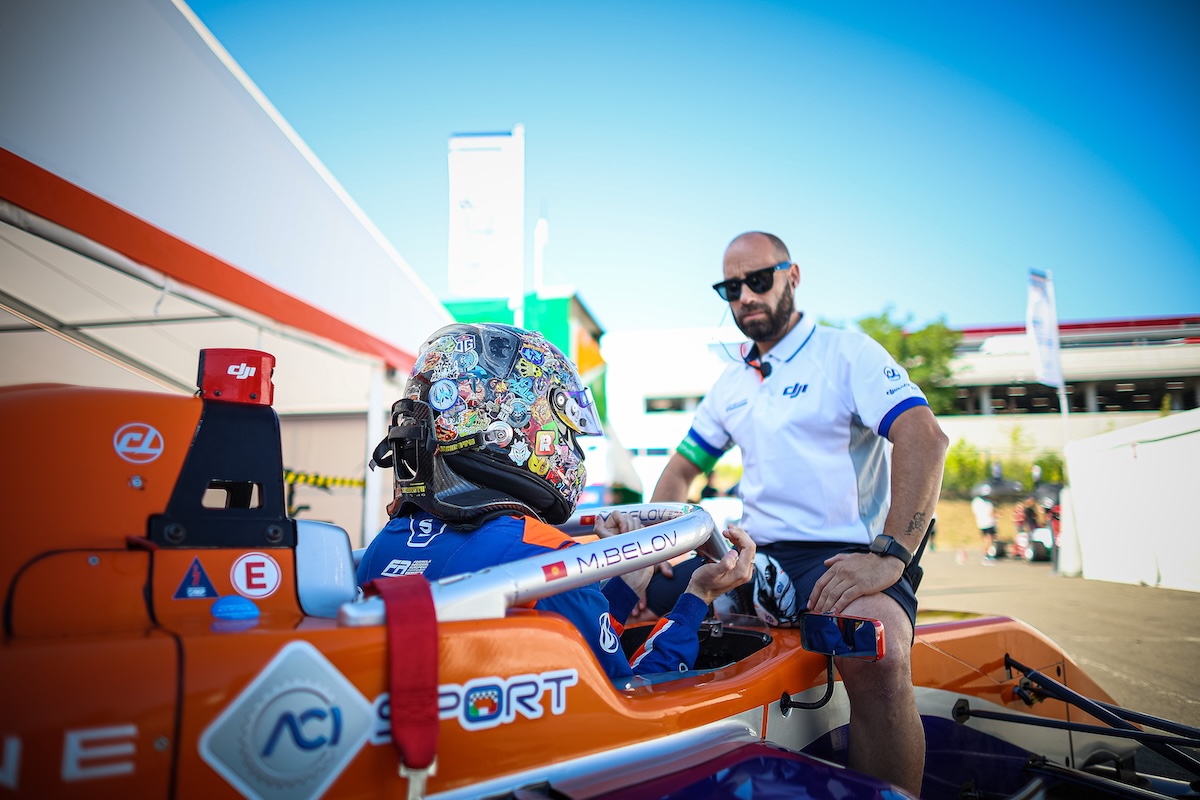
“Internally, we really didn’t expect too much. I think the most important key, the right choice that we made this year, was to invite Michael to help us develop this year. We have actually achieved some results that we were not expecting, such as Imola and the P6 finish in Barcelona was astonishing from him. A great drive. His help for the team was massive.
“Honestly speaking, we are doing our best in the workshop and on track to have the car in the best condition but it’s quite obvious what we’re lacking and it’s not something that’s within our control.
“We had a difficult time with only one driver, obviously, because we announced that FREC entry very, very late. We missed the window for the drivers. So, now looking back, 2025 was a difficult year for us in the beginning, but step by step we progressed and we’re learning from it as well.
“We were kind of concerned that we were not going to be able to make the 2026 entry, but now we have approval from FIA saying that we are a FIA-approved team. We have the competence to race in this category, we have the confidence to provide future drivers, future top stars what they need.
“For 2026, you have different teams that have a very strong historical background, with at least a minimum of 10 years of racing experience and strong relationships. We only started in 2025 as a championship racing team as a very new blood in this industry. It’s great achievement to be part of this.”
And there has been no let up in the investments being made at the team’s base near Desenzano in northern Italy: “We have built from scratch a completely new workshop, about 4,000 square meters in total. It’s basically to prepare for F4 and FRegional, but also to prepare for the future categories that we are also ambitious for. There are some really important investments for the next year with the new car as well as new trucks, new trailers, all the different tools to prepare for next year.”
The F4 equipment is in place but will continue to be used only for testing. “The hardware is already ready. Now we’re just trying to build a new team to restart the testing program again. Unfortunately, we don’t have the time to compete in the Italian or Euro 4 championships,” Li explains.
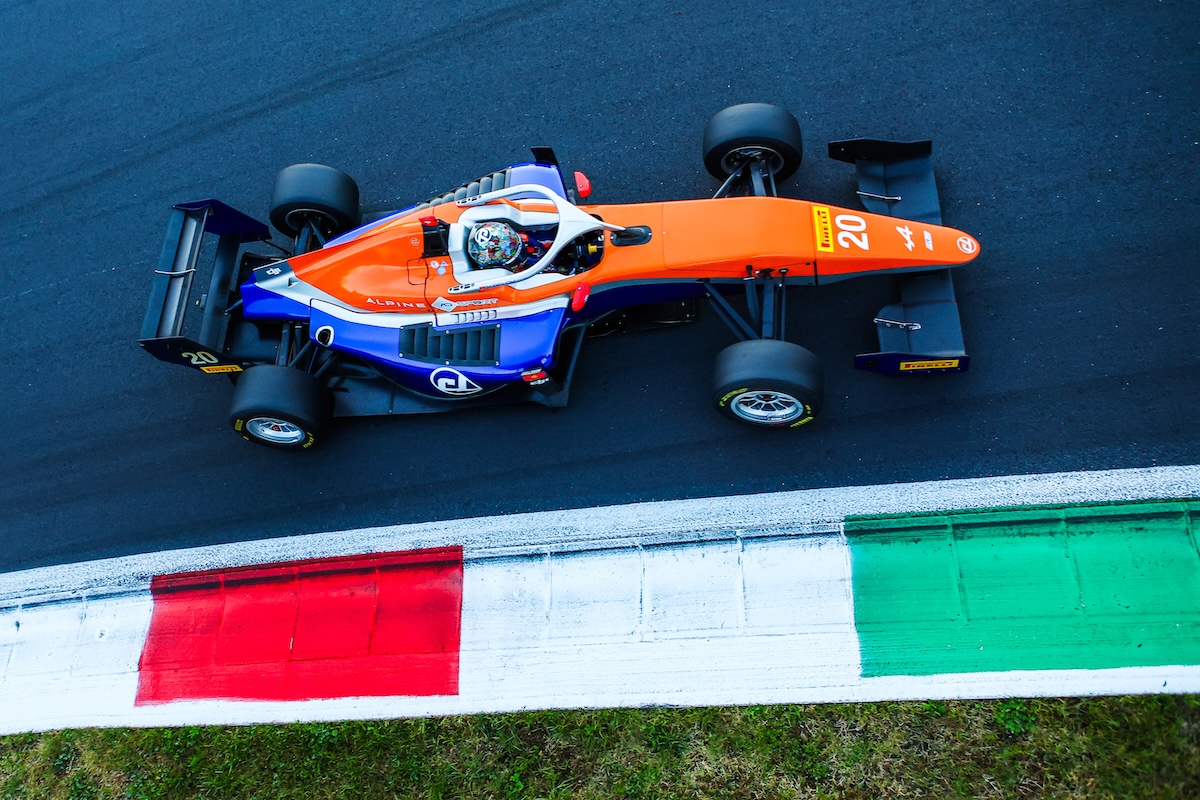
Li was sad to see his near neighbours Akcel drop out before season’s end. “It was very unfortunate for them. The announcement for 2025 was pretty late but to be honest they actually did a pretty good job trying to participate as much, but I can understand the situation they’re in.
“I really feel a bit sad for them honestly because I really think that they could be very competitive also but unfortunately because of the announcement and everything, it really took them a lot of time to prepare as well.”
Akcel was beginning to make progress too, both on and off track. By Spa the team had “a better truck, a proper awning and it started to look like we fitted into the paddock,” says Norman.
And at Zandvoort Kulkarni actually topped the times during a wet qualifying session, before losing out once a dry line emerged.
“David [Li] was absolutely shocked when I told him how long it actually took to get to where we were, as in the short period of time, because they bought MP’s entry and cars, so the cars were already prepared to a high standard, and they had more time to do it. But I think pace-wise we were very similar,” says Norman.
“It was very much a ‘last-minute.com’ effort to put this programme together, and in reality, I had a month to turn nothing into something and be able to turn up. So, we were really on the back foot from the very beginning, but we wanted to start and be there to participate in a high-level championship, which obviously was the objective, and which we achieved.
“I was just starting to see the team starting to gel together. And that was that was positive. The drivers were starting to make some improvements. Generally, that was going in the right direction, so I was pleased with that. With every race the infrastructure became stronger and the equipment levels increased,” he tells Formula Scout.
However, Zandvoort would be Norman’s last weekend with the team, with Thompson taking over, but in fairness the end was already in sight.
The team made the trip to the Hungaroring, and then folded completely after Imola, having also skipped Paul Ricard.
So, what went wrong?
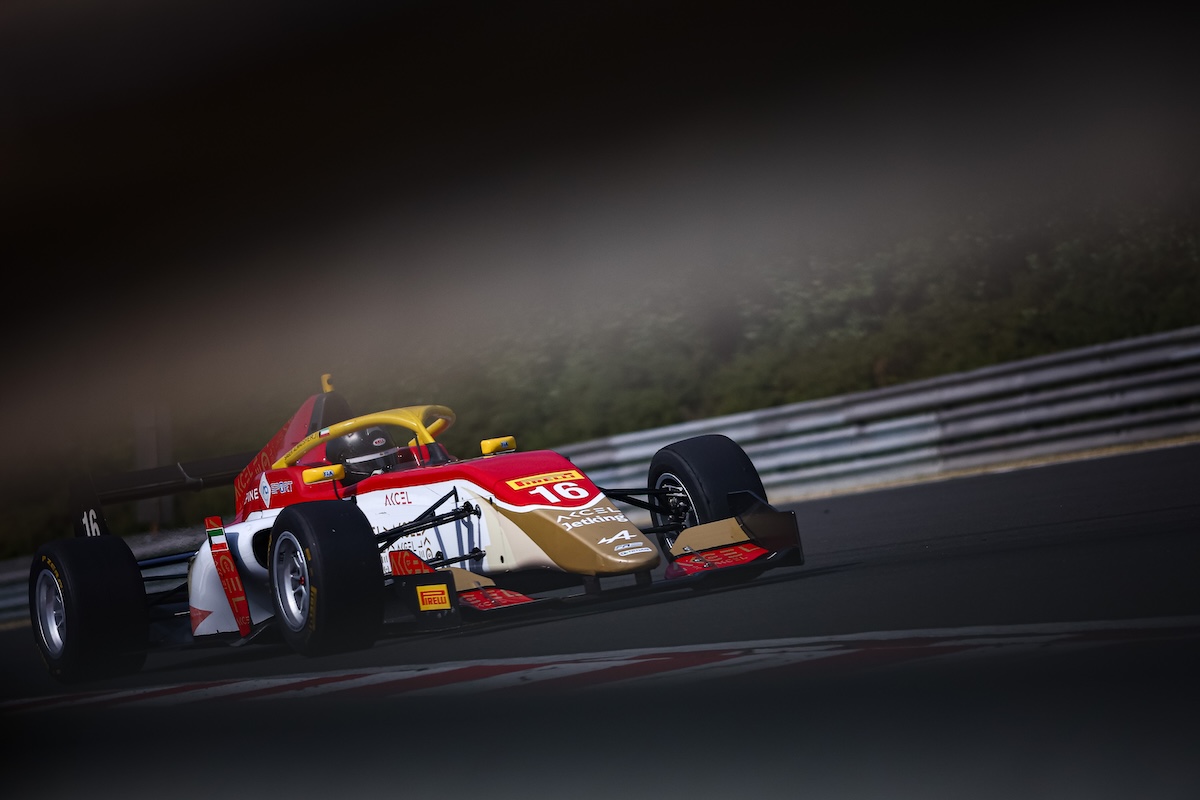
Ultimately, while the team limped on for a couple of weekends, there simply wasn’t “sufficient funding to continue,” in Norman’s opinion.
The lack of preparation time meant it was always going to be an uphill struggle, but, as is often the case, the scale of investment needed to compete with experienced, professional teams in FREC proved too much.
“We had put together budget of what it’s actually going to cost to do FRECA, which was approved by the owners. But unfortunately, when it came to the reality of what the costing was, it was basically a lot more than they had envisaged to spend.
“The budget was there, and we never exceeded the budget. Unfortunately, the finances just couldn’t match the budget as we went through the championship,” Norman explains.
Norman believes that mistakes were made, for example by buying rather than renting the FREC cars when the new chassis would make them obsolete within a year.
Luke Thompson took over for a couple of races, “and he did the best job he possibly could, but he was really back against the wall. He was always going to struggle just because of the fact of how things were currently in that situation financially.”
By Budapest it was clear that the money had run out, the presence of debt collectors in the paddock never a good sign of financial health. The team finally fielded a third car for Javier Sagrera in Budapest and Imola but to no avail, as the owners closed the doors.
And the cars themselves? “Still sitting in Lake Garda, locked up in a workshop. Along with everything else,” says Norman.